AI as a Tool For Connectivity
How Djibouti Is Laying the Foundations
for Universal School Connectivity

Across the world, unequal access to digital technology continues to shape educational outcomes. In Djibouti, however, the government is laying the groundwork for a more equitable digital education system in collaboration with Giga, the UNICEF-ITU initiative.
As part of Giga’s work with governments to advance school connectivity, Djibouti has completed a nationwide school mapping project, using a combination of artificial intelligence tools, open-source software, and deep local knowledge from stakeholders within the Ministry of National Education and Vocational Training (MENFOP).
By using AI to automatically identify school buildings from satellite imagery, Giga remotely supported MENFOP in confirming, correcting, and improving the accuracy of school locations without the need for extensive on-the-ground data collection. Djibouti is the first country to validate 100% of school locations on Giga Maps. The methodology applied was cost-effective for Djibouti, as it represented significant saving in costs, time, and capacity efforts.
The lack of comprehensive data on the actual location of schools long hindered efforts to expand school connectivity in Djibouti. In rural and hard-to reach areas, some schools were missing from administrative records or lacked precise geographic coordinates. Without this critical information, effective planning and investment in education infrastructure were impossible. Some schools were missing from administrative records or lacked precise geographic coordinates. Without this critical information, effective planning and investment in education infrastructure were impossible.
This national database marks a major turning point for education planning. “This will enable us to identify areas where new schools are needed,” says Mohamed Abdallah Mahyoud, Secretary General of the Ministry of Education.
The data challenge
Djibouti’s experience shows that digital transformation in education begins with accurate data. School location data may seem like a technical detail, but it is the cornerstone of equitable connectivity. Only once schools are visible can infrastructure be modelled realistically, investments prioritized intelligently and partnerships structured effectively.
With mapping largely complete, Djibouti is now beginning the next phase of the Giga journey: infrastructure modeling. While still undergoing final data checks before infrastructure analysis can begin, modeling provides the bridge between knowing where schools are and deciding how to connect them in the most affordable and sustainable way.
Using the mapped data, modeling analyses gaps in connectivity infrastructure and presents governments with multiple options to close them. These scenarios include cost estimates, technology choices and phased connectivity plans.
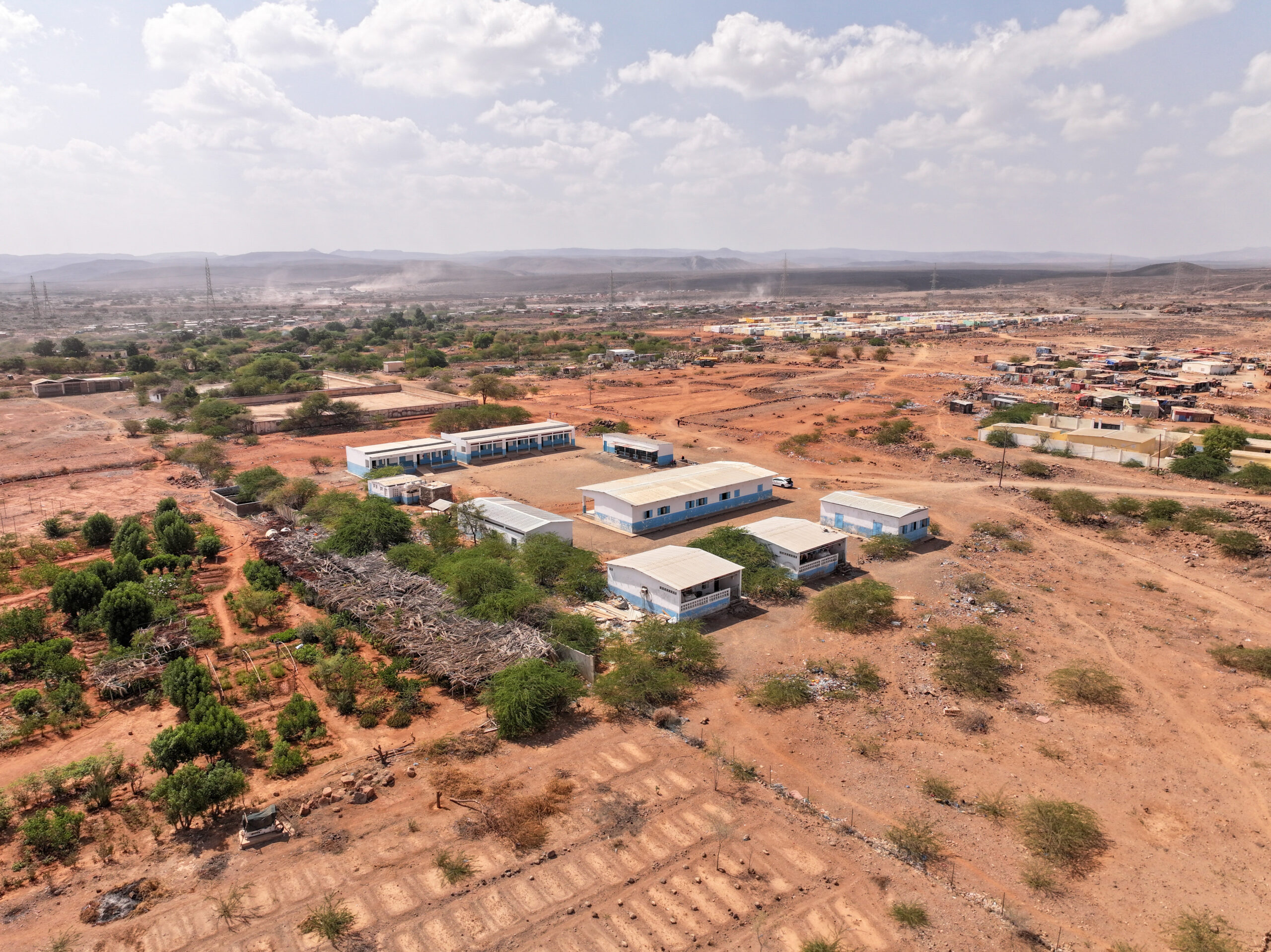
Giga uses AI-powered school mapping in Djibouti to advance universal connectivity, enabling smarter investment and equitable digital learning.
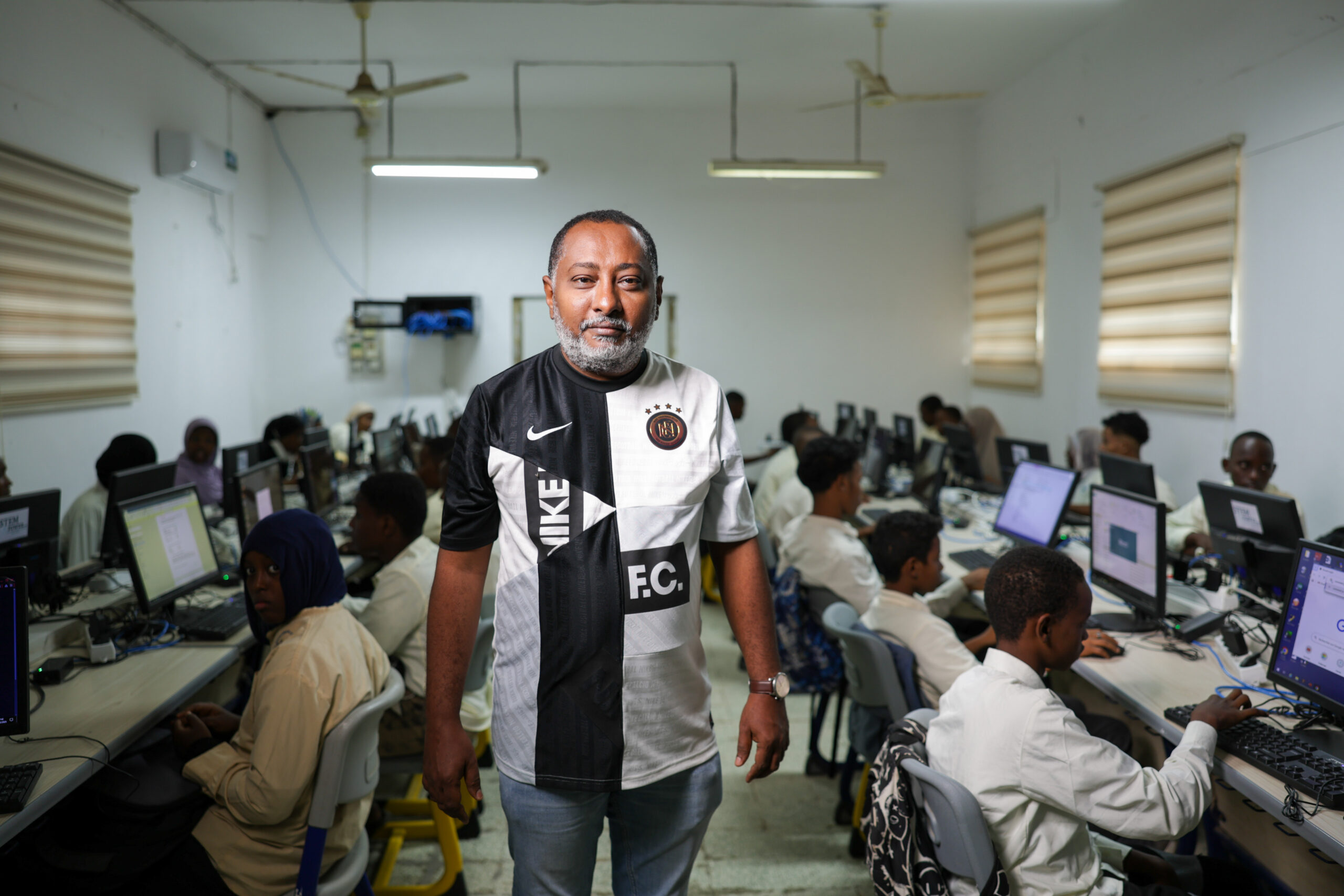

The precise mapping of schools’ needs will be our strategic roadmap. We will use it to optimize investments and define innovative pricing models that enable us to acquire educational bandwidth at significantly reduced rates
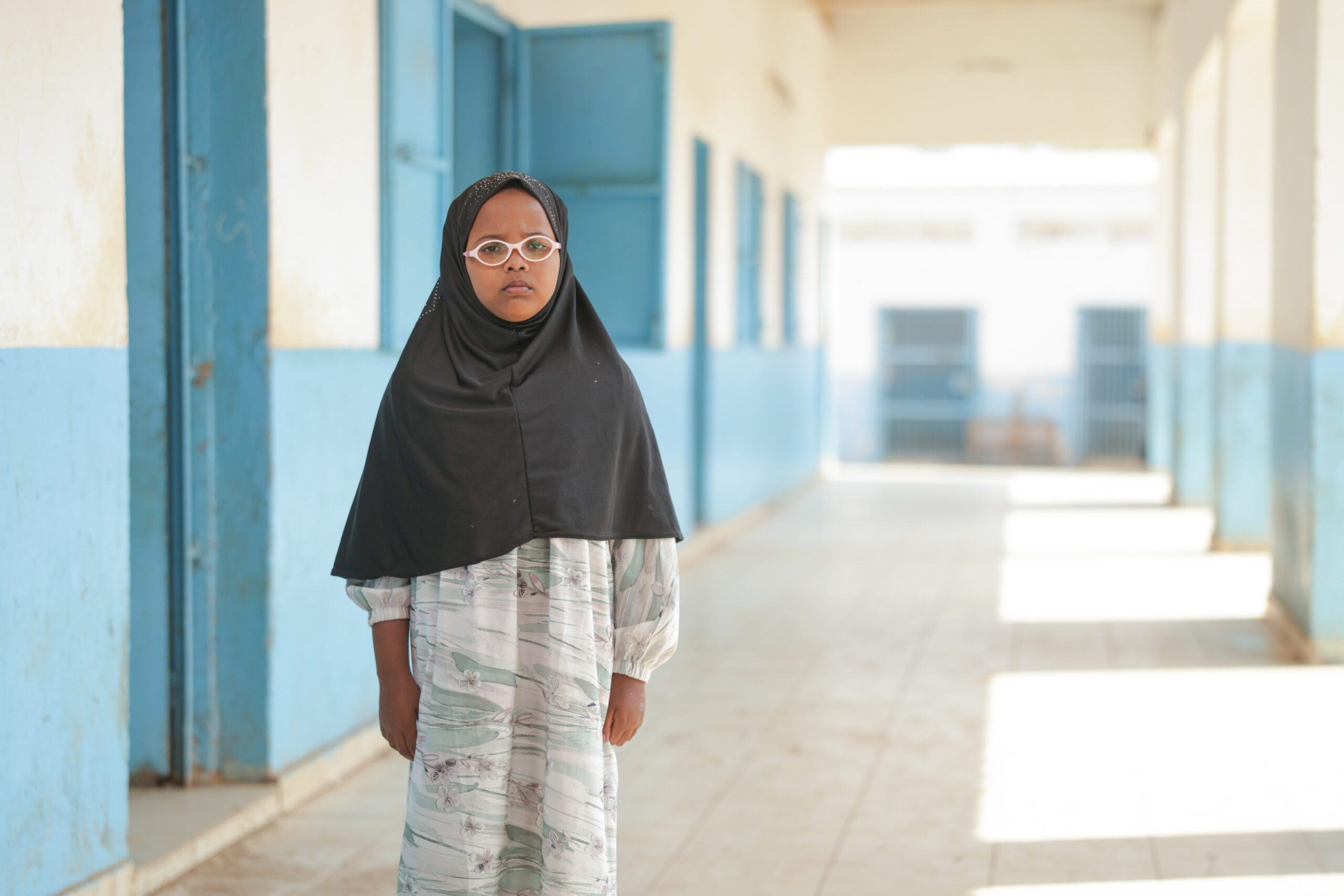
Optimizing investments
For the Ministry of Communication, data is extremely useful in discussions with telecommunications operators. What began as a data -collection exercise has evolved into a strategic planning tool shared across ministries in Djibouti. Cross government collaboration is central to this approach.
“We ensure that the infrastructure we deploy as part of our various projects directly responds to the educational objectives defined by the Ministry of National Education and Vocational Training,” notes Chirdon. “We also share data and budgets between our two departments to avoid duplication and ensure that connectivity is synchronized with the deployment of equipment.
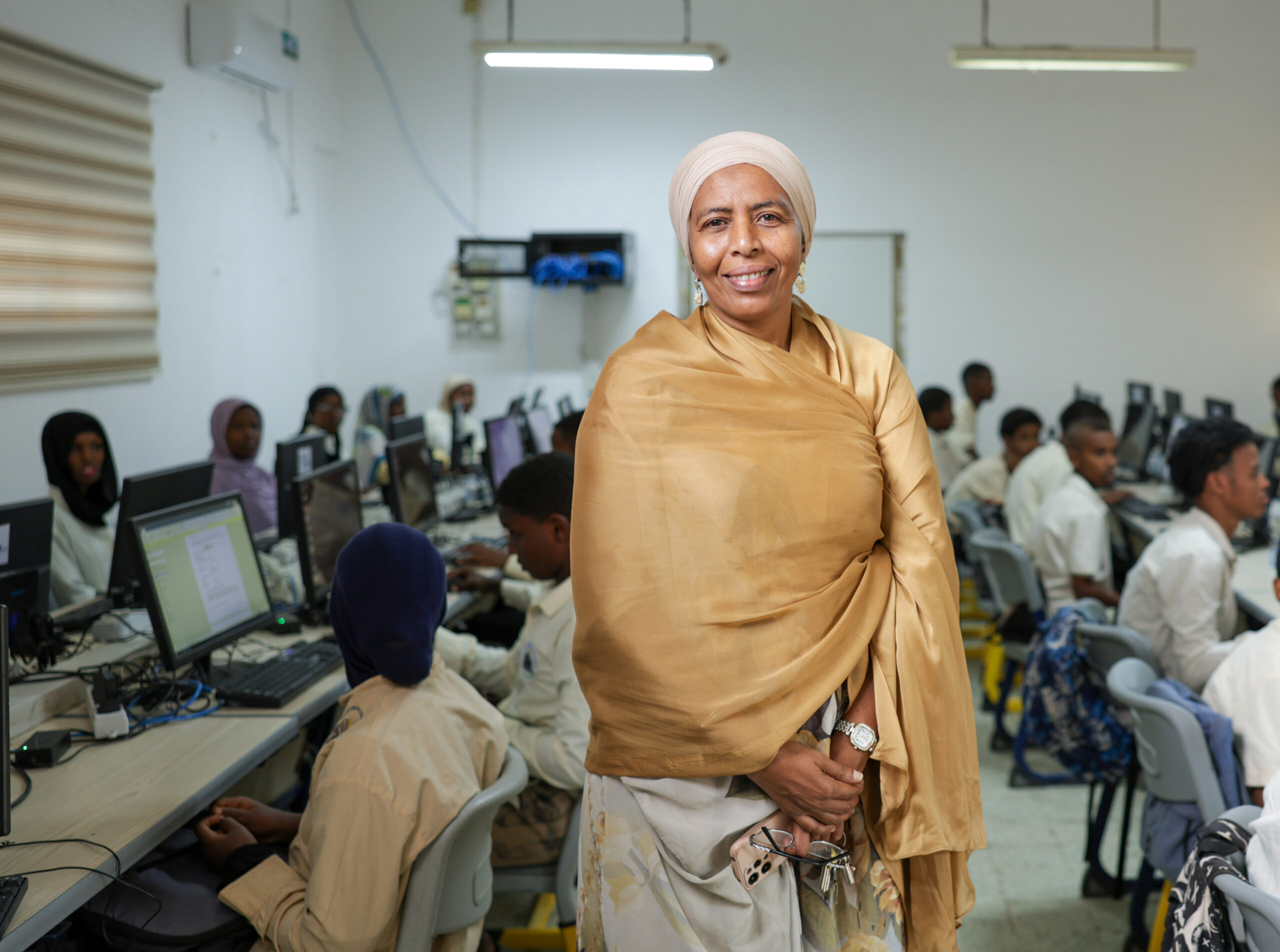
While planning continues, the effects of connectivity are already visible in schools that have come online. Samia Omar, principal of a connected high school in Djibouti, highlights how connectivity in classrooms opens doors to collaboration and information exchange that were previously out of reach. Samia Omar, principal of a connected high school in Djibouti, highlights how connectivity in classrooms opens doors to collaboration and information exchange that were previously out of reach.
“This allows us to facilitate student mentorship between institutions and other external institutions,” he said. These experiences reinforce the importance of grounding national strategies in the daily realities of classrooms.
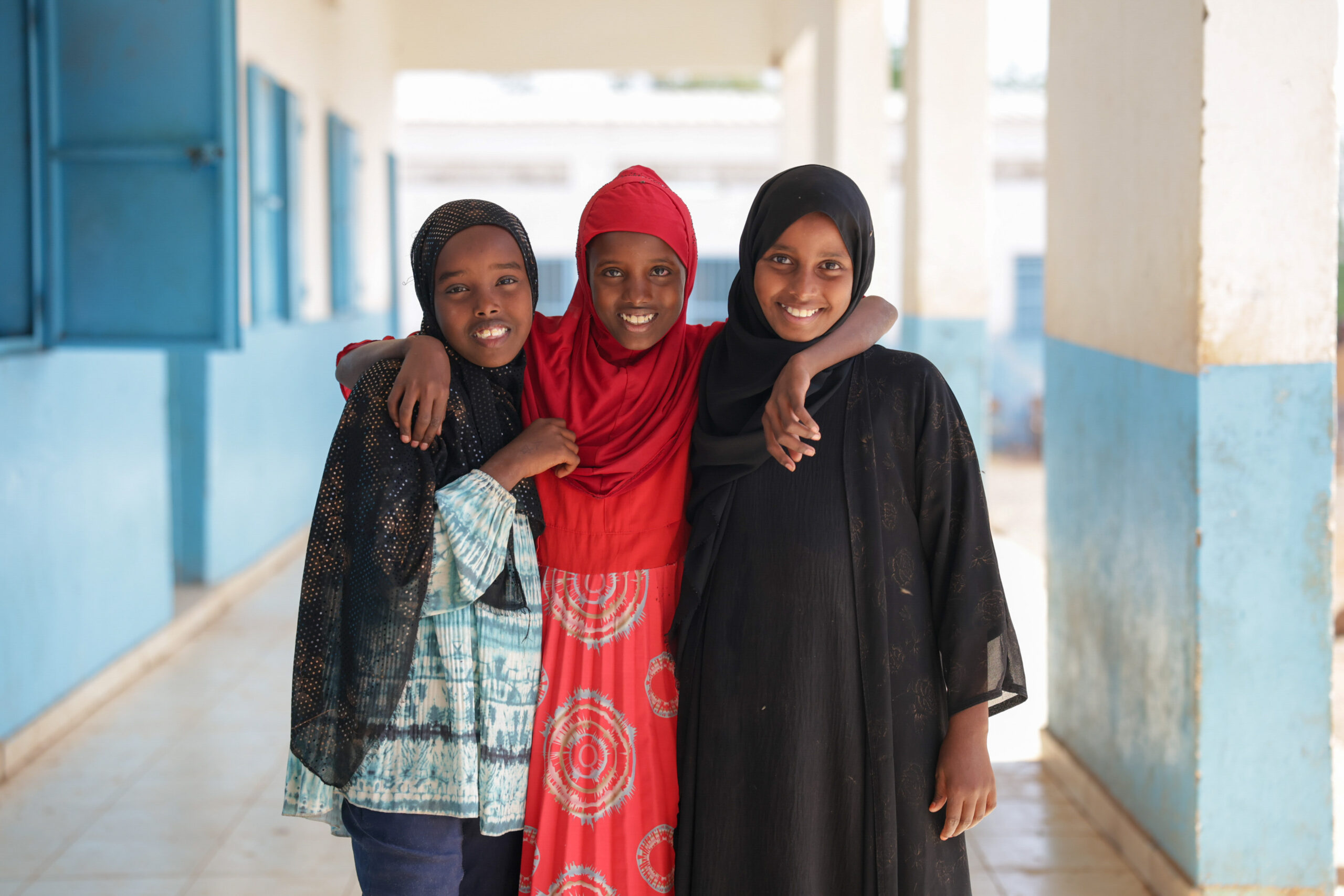
Thanks to the internet, I can search and complete my homework and attend my classes.
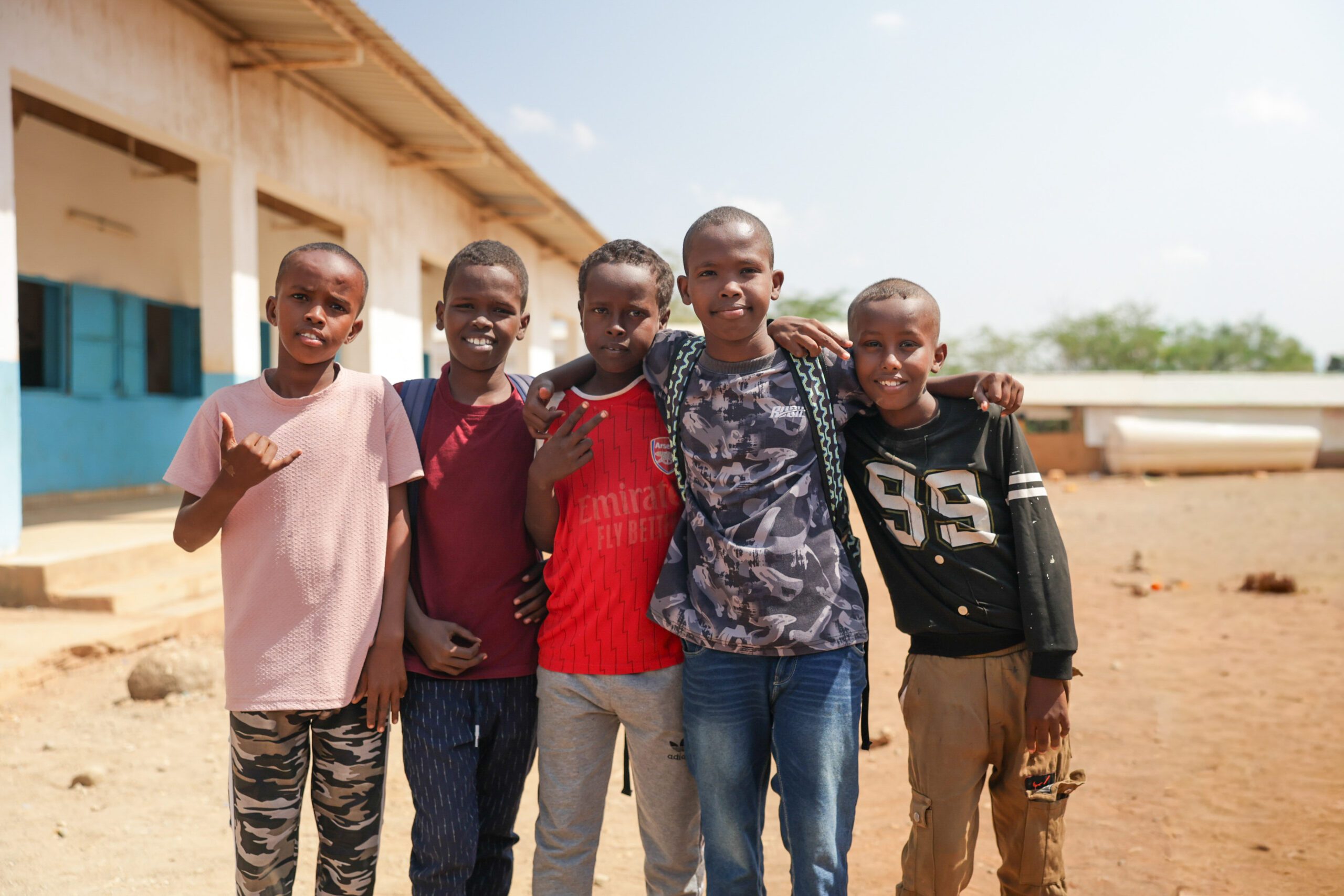
‘Strategic accelerator’
For Djibouti, this is more than a connectivity project. It is a commitment to equity — ensuring that the potential unlocked by digital technology reaches every student, in every school, regardless of where they live. As Abdourahmane Ahmed Abdo, Director General of ICT in Education, explains: “High-speed connectivity reduces inequalities between institutions by ensuring everyone has the same learning opportunities.”
Through the Giga initiative, Djibouti is not just connecting schools; it is building a system in which data, planning and policy reinforce one another to drive long-term transformation. Collaboration with Giga is “a strategic accelerator,” says Feysal Kaireh Chirdon. “It directly supports investments in the future skilled workforce and the national digital economy.
“The Giga project complements our national strategy for introducing digital technology into teaching and learning,” adds Moustapha Mohamed Mahamoud, Minister of Education. “Djibouti continues to move towards inclusive, lifelong and sustainable digital education.”
Download .pdf

