
Lower Costs:
More Connected Students
How Giga’s Support is Making School Internet
Affordable and Accessible

The numbers tell a powerful story. Back in 2019, when Rwanda partnered with Giga for a pilot programme, the collaboration focused on rethinking how schools could access affordable connectivity. By working with the government to implement a pooled procurement strategy – one that enabled the introduction of new internet‑connectivity solutions for schools in the pilot areas and more competitive pricing – Rwanda found a way to make school connectivity work.
By bringing together the government, partners, and internet service providers around one shared goal, the country created the foundation for a sustainable model of school connectivity.
Bella Rwigamba, Chief Digital Officer at Rwanda’s Ministry of Education, credits Giga for the transformation, “Giga came with a concept of collaboration. Collaboration between governments or countries, development partners, internet service providers (ISPs) and whoever wanted the same goal – which is the connectivity of schools.”
The collaboration she describes translated into real savings. Charles Avelino, Chief of Education at UNICEF Rwanda, notes that bulk procurement supported by Giga drove prices down sharply. The company which won the bid offered significantly reduced cost per Mbps – a 55 per cent reduction at that time.
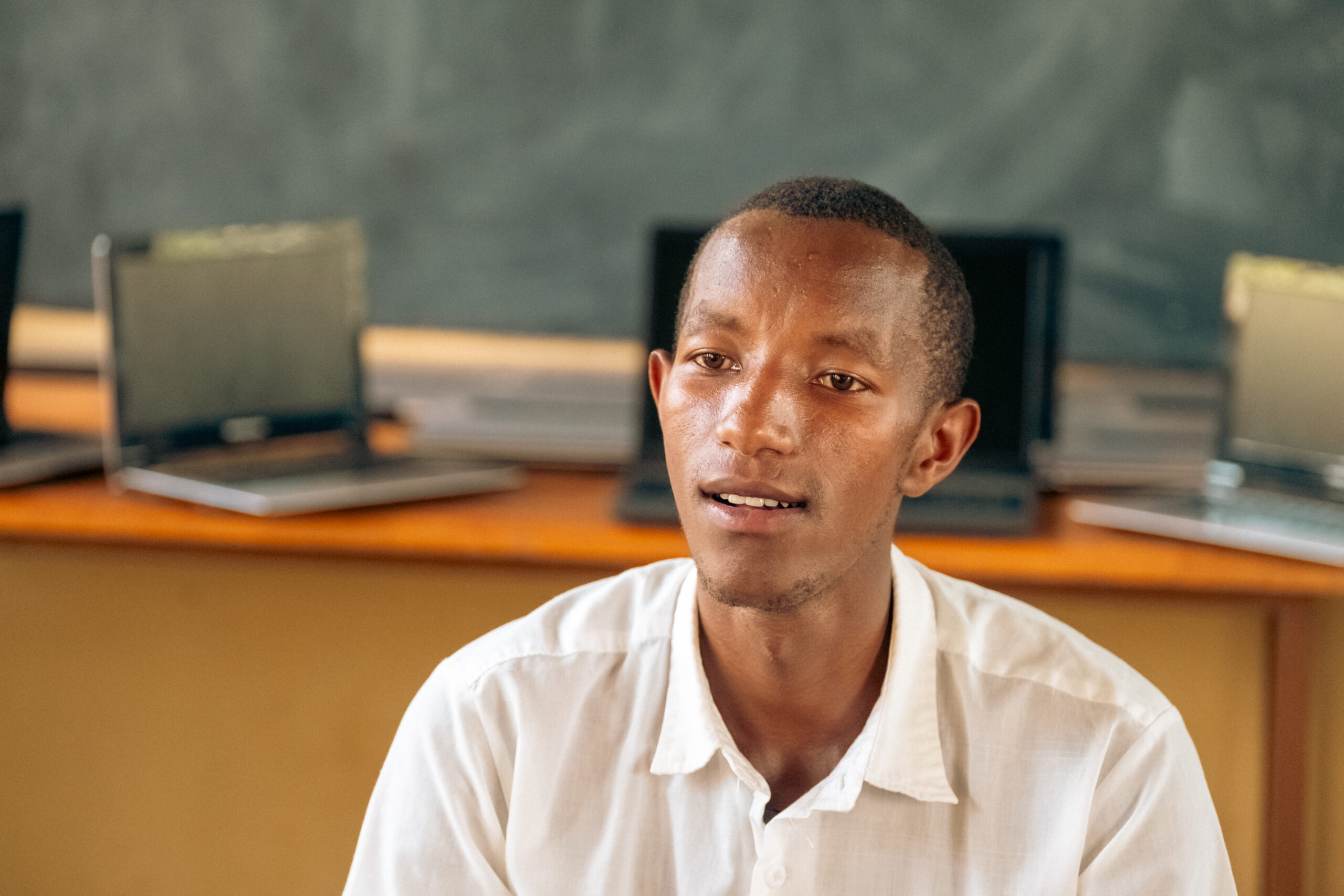
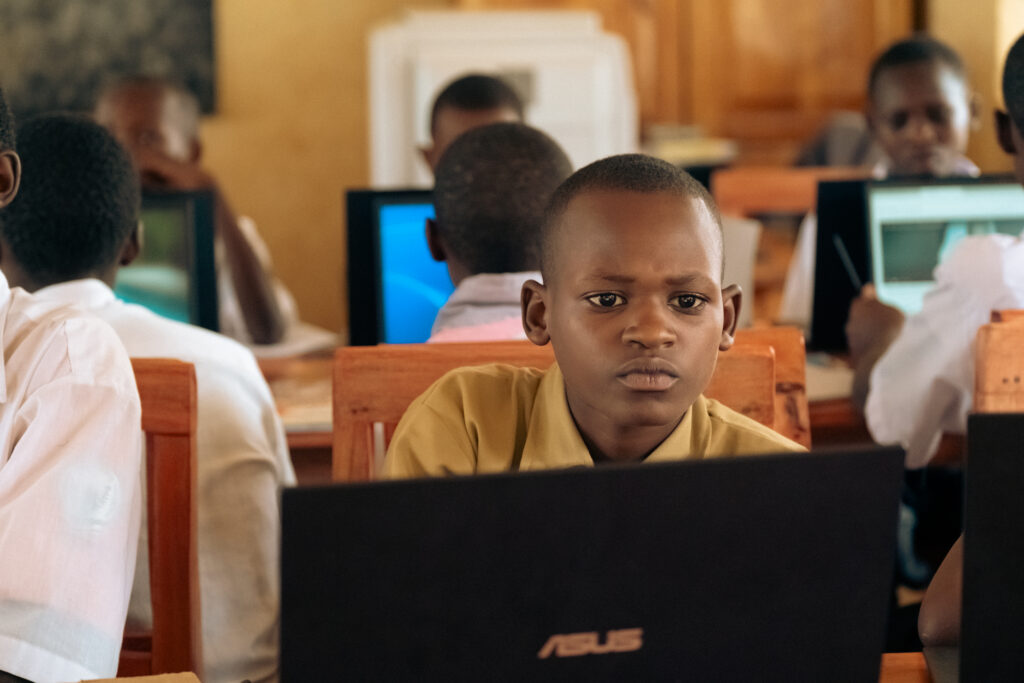
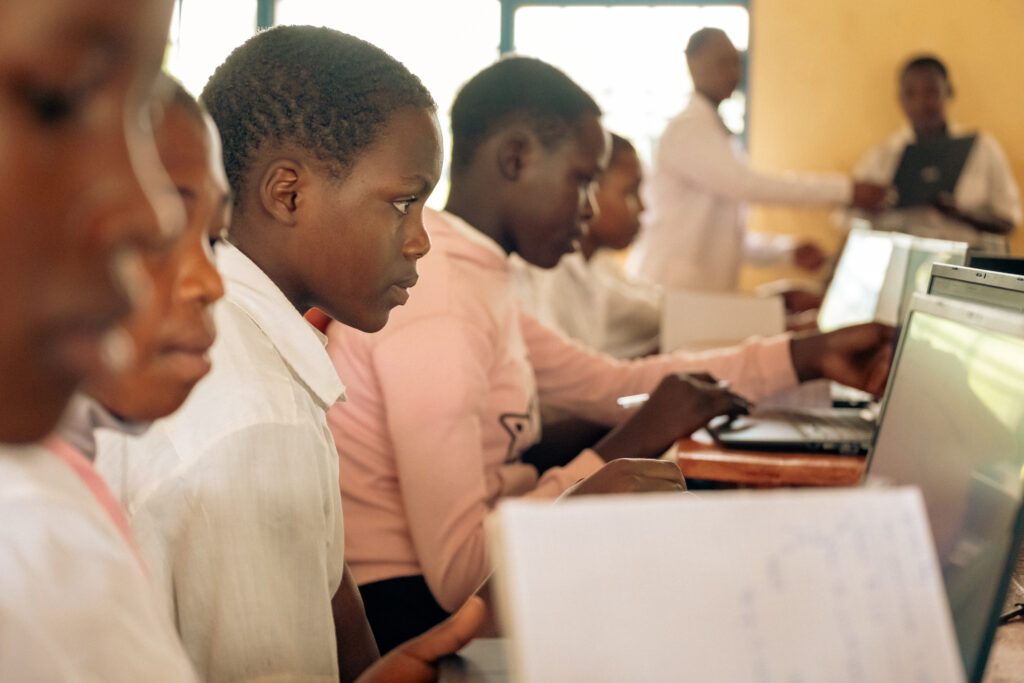
By pooling demand and streamlining procurement processes, Giga helped Rwanda develop a model for affordable, long-term investment in internet access for 63 schools, including 50 in the Eastern Province.
The promise of digital education is becoming a reality in Rwanda – not just for students in urban centres, but for refugee children in host communities who dream of futures beyond the challenges they face today. Through strategic collaboration and transformative procurement, Giga has helped turn school connectivity from an aspiration into an affordable, sustainable reality.

The internet gives me hope for a better future. It helps us a lot, because we also have dreams we want to achieve but our learning conditions are tough

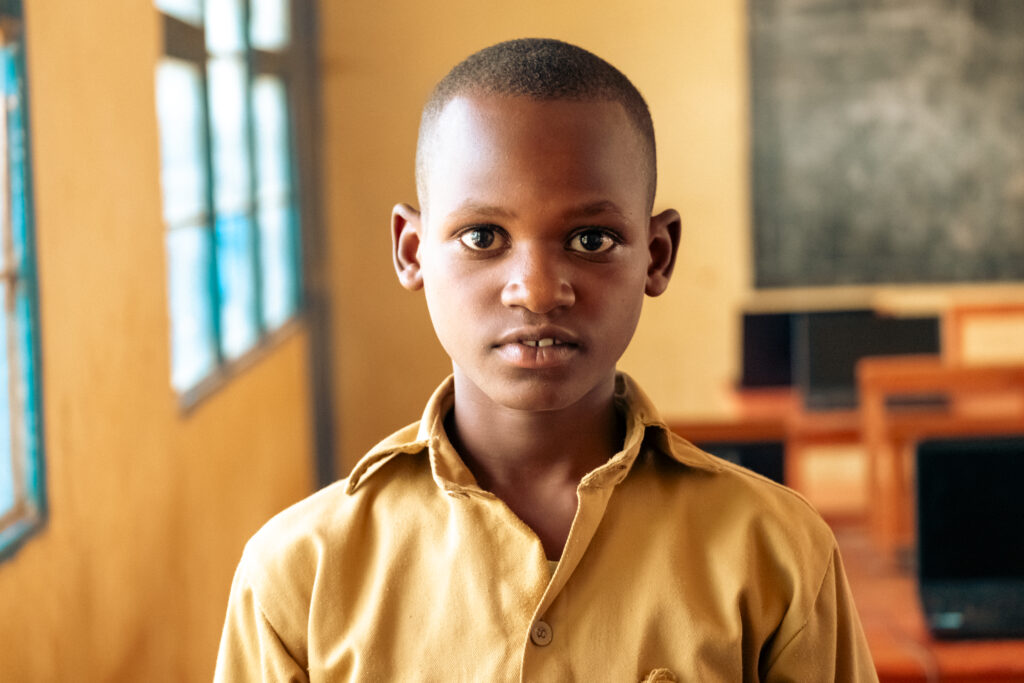
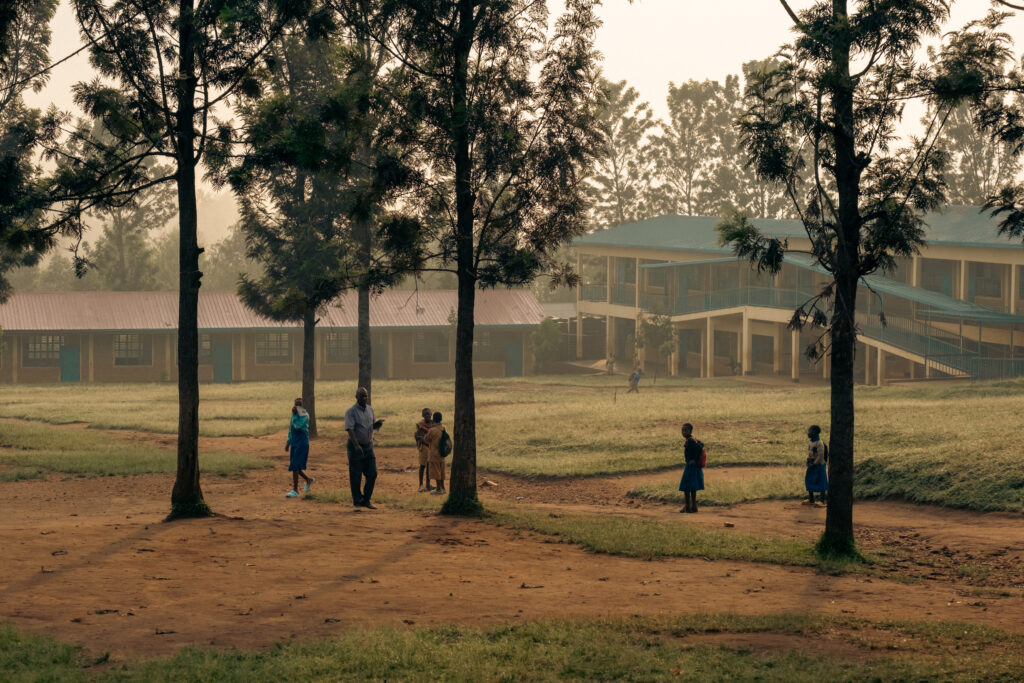
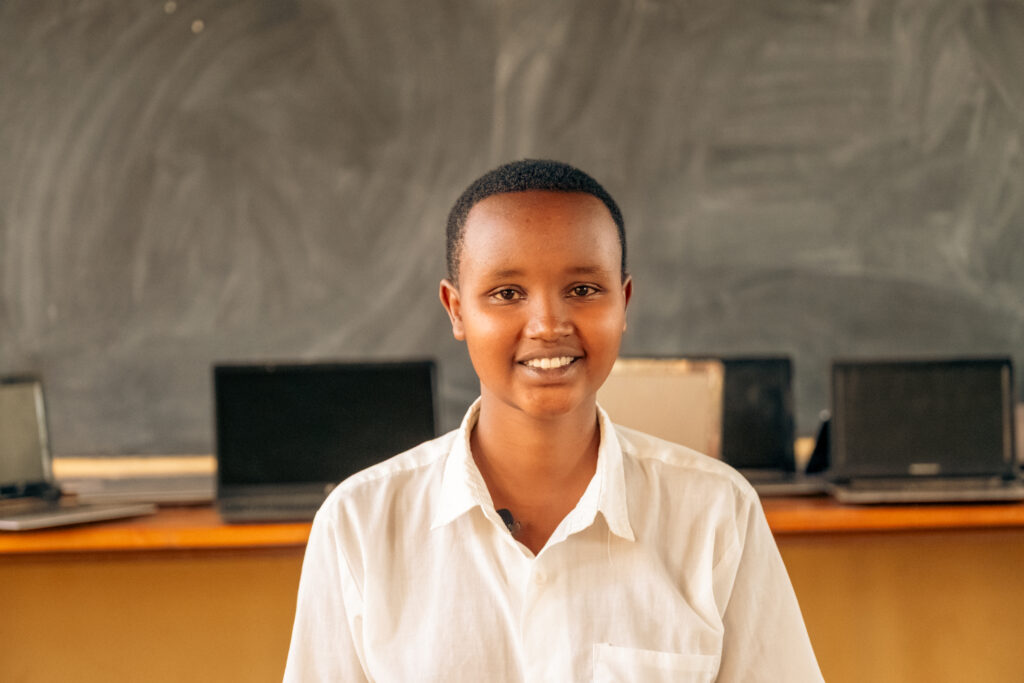
Uwase, a 17-year-old refugee from The Democratic Republic of Congo, studies at the G.S Nyabiheke Primary School in Gatsibo district, a school located within a refugee camp that was part of the initial push to bring internet to Rwanda’s classrooms.
Here the impact of connectivity goes far beyond economics. For refugee children, the barriers to education are often multiple and compounding: the upheaval of displacement, language challenges, limited resources, uncertain futures. The internet does not erase these challenges, but it opens doors that might otherwise remain closed.
Uwase’s words reveal what connectivity means in human terms: not just access to information, but opportunity and hope. When schools with refugee communities get reliable internet, students gain something invaluable- the ability to learn on equal footing with peers around the world.
Rwanda’s experience demonstrates that sustainable school connectivity requires both smart economics and a human-centred vision. By working with Giga to lower costs through pooled procurement, the government has made internet access more affordable. And by extending that connectivity to schools in refugee communities, it has ensured that digital opportunity reaches those who need it most.
The result is a model where efficiency and equity reinforce each other: lower costs make it possible to connect more schools, and each new connection means more students like Uwase can access the learning opportunities that can shape their futures. As Rwanda continues to expand school connectivity, Giga remains a partner in that journey – supporting sustainable procurement strategies, facilitating collaboration between partners, and helping ensure that every connected school stays connected.
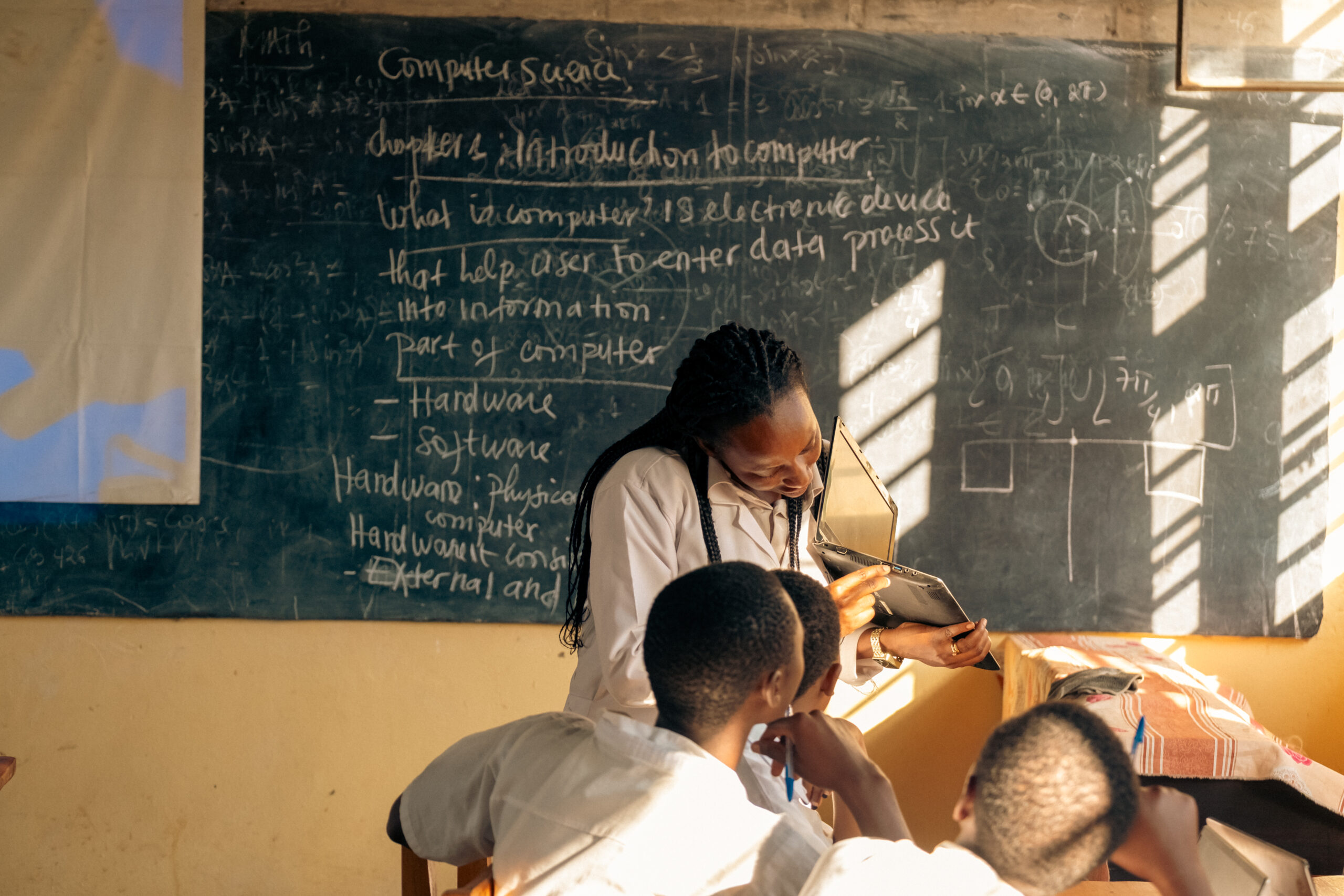
In Rwanda, a Giga-supported pilot has reduced internet costs by 55%, making school connectivity economically viable and sustainable.