From Remote Schools
to Real-Time Monitoring
Strengthening oversight and reliability of school connectivity

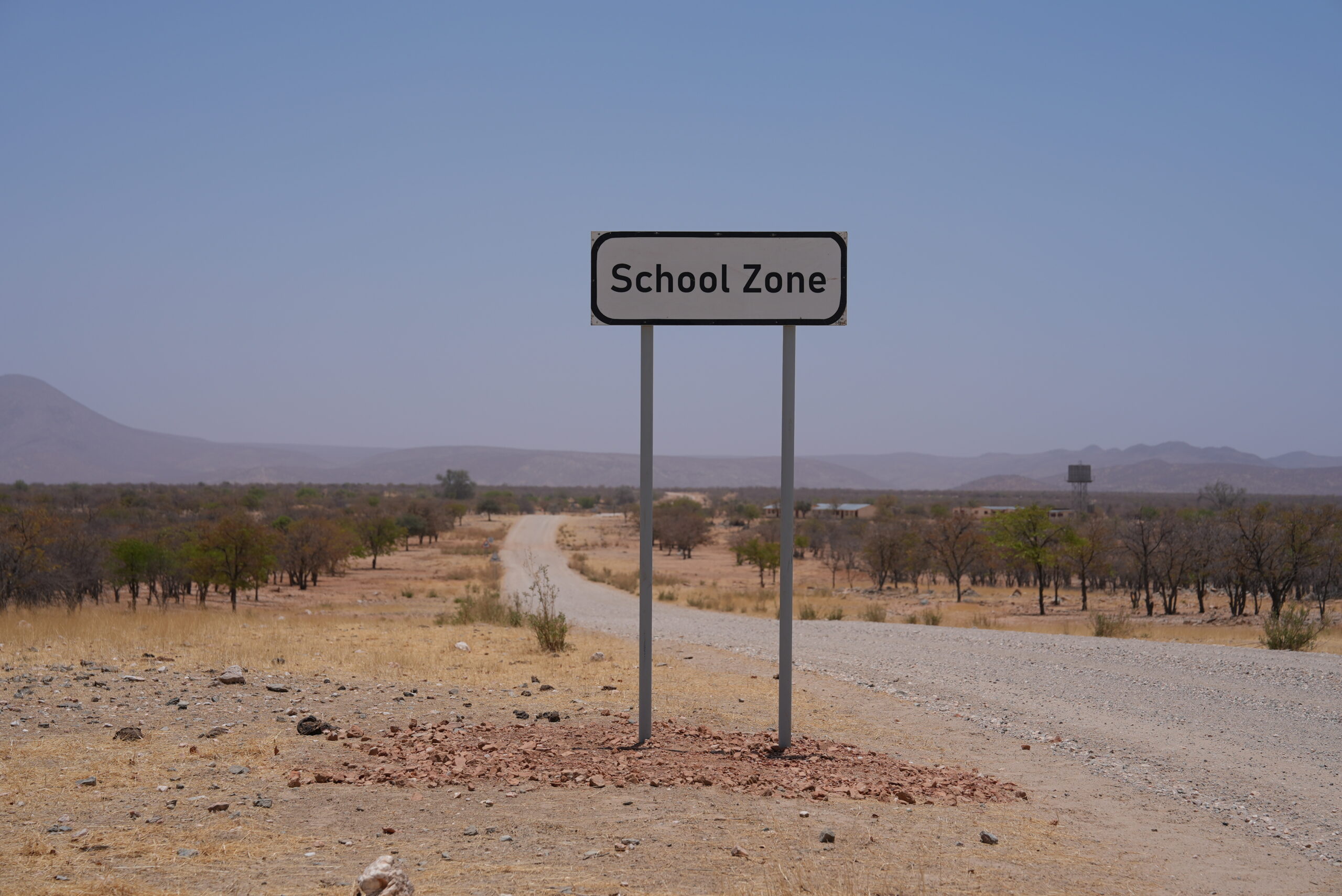
It is mid-morning in Putuavanga Senior Secondary School, a rural school tucked away in Namibia’s Kunene region in the far north of the country. The school sits against a backdrop of open land and distant hills, a reminder of just how remote this part of Namibia is. Yet despite the isolation, there is a quiet sense of determination among the learners who file into their classrooms, their aspirations stretching far beyond their immediate surroundings.
Putuavanga may be far from the country’s urban centres, but the learners here are anything but disconnected from ambition. Many speak confidently about their futures, careers they hope to pursue and worlds they want to explore. For them, education is not just a daily routine, but a bridge to opportunities they know exist beyond their community.
Internet connectivity remains one of the biggest obstacles standing between these dreams and reality. Namibia’s vast geography makes access to reliable internet a persistent challenge, particularly in rural areas. The divide between urban and rural schools remains stark. According to the Ministry of Education, Arts and Culture, 1,300 schools across the country are connected to the internet, while 671 still do not have access.
Giga’s infrastructure analysis recently completed by ITU locates mobile tower connections to identify areas with strong stable signals, reducing disruptions, and improving access to education. This data also helps nomadic schools find the best locations to maintain online learning.
Grace Kashima, Deputy Director of Vision IT at the Ministry, says connectivity is central to the future of education in Namibia. “Internet connectivity is very important, especially in our schools, because it allows for equitable access to online content for all our learners,” she explains. “We are in a phase where we are transforming education in terms of digital transformation, and that requires online content and online platforms. We want our learners to be able to use their ICT skills.”
To monitor internet connectivity in schools throughout Namibia, Ms. Kashima uses Giga Meter, a real-time monitoring application that allows her to check the quality of internet connectivity across the country.

The real-time monitoring tool makes it easier for us to see the status of internet connectivity and follow up with our service provider when services are not up to standard, because we need reliable internet.
Using her desktop computer, she looks through the map of Namibia as bright green and red dots appear on her screen, indicating which schools are connected and which are not. Ms. Kashima clicks on a green dot and a pop-up displays the name of the school and the strength of the internet connection. She values being able to access real-time information about the state of school connectivity in Namibia at the click of a button.
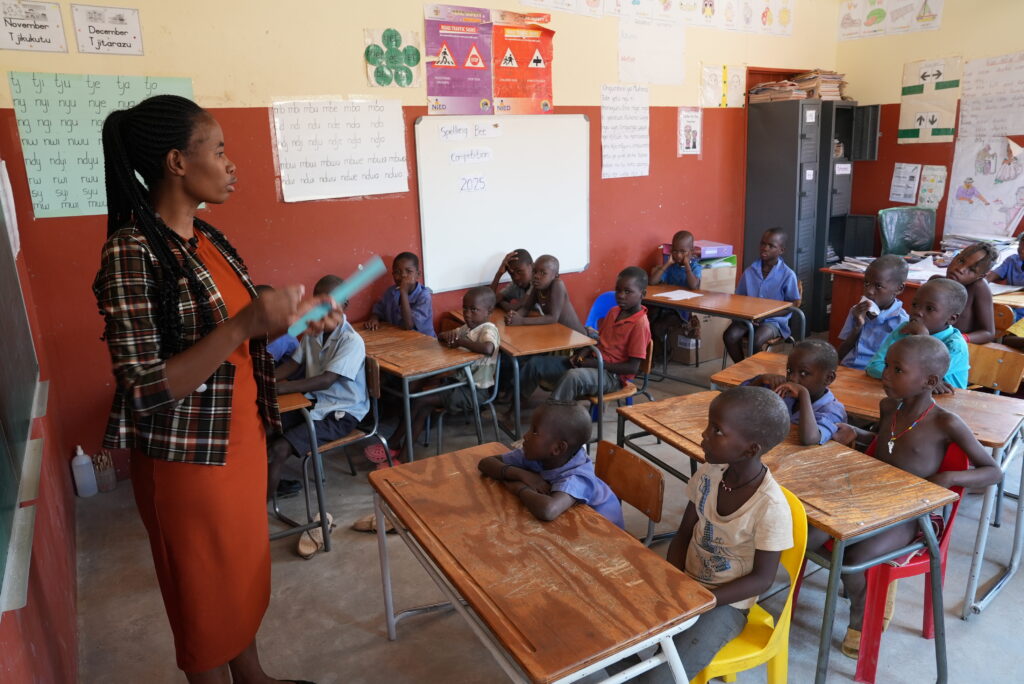
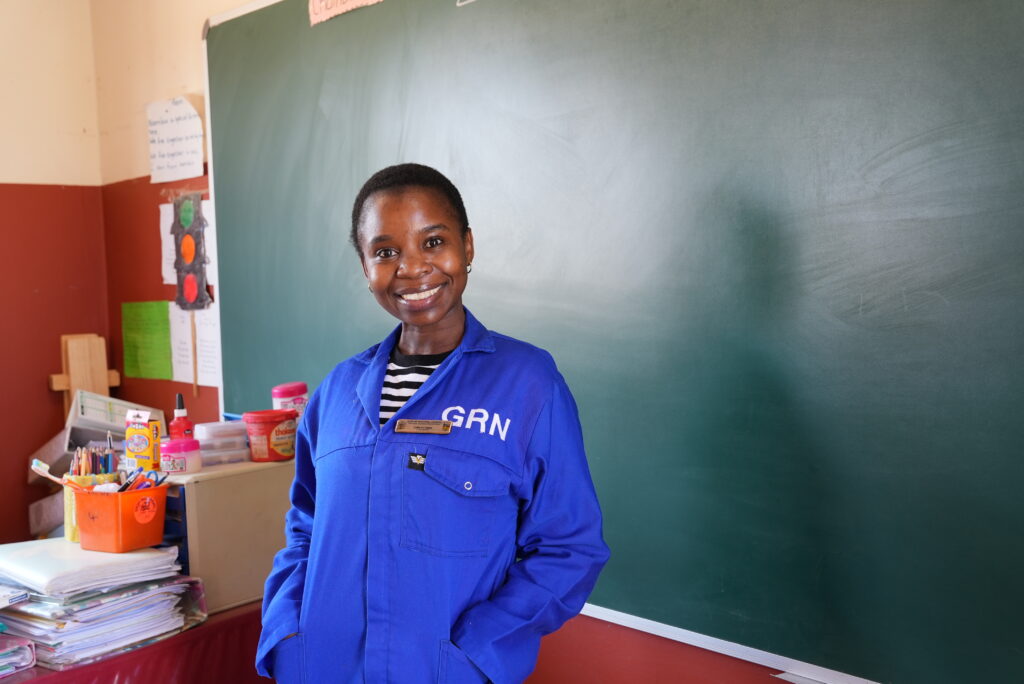
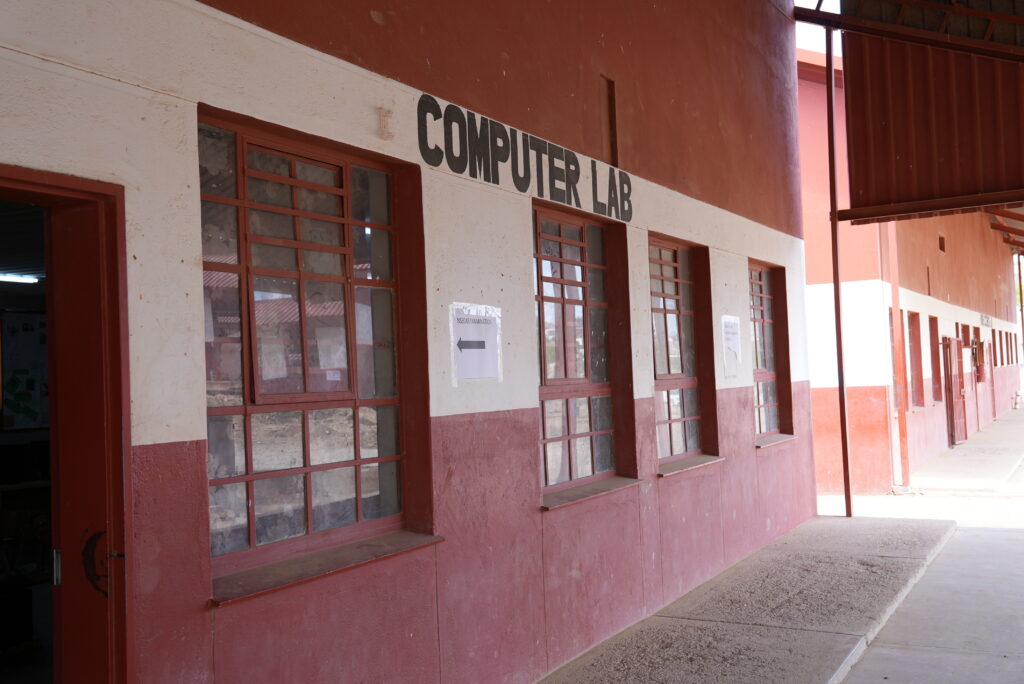
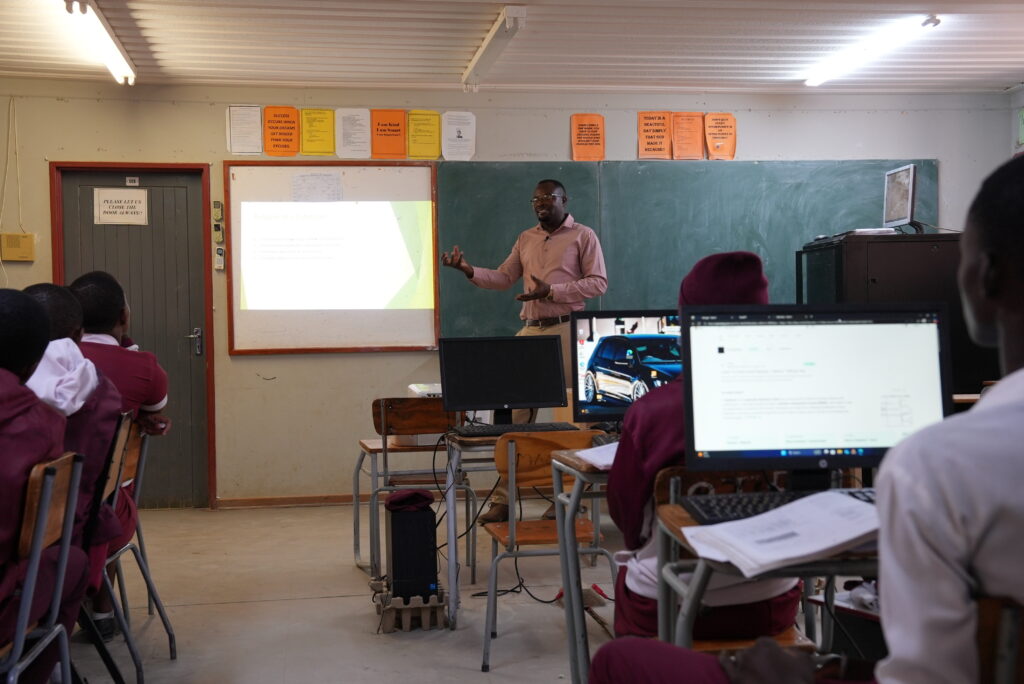
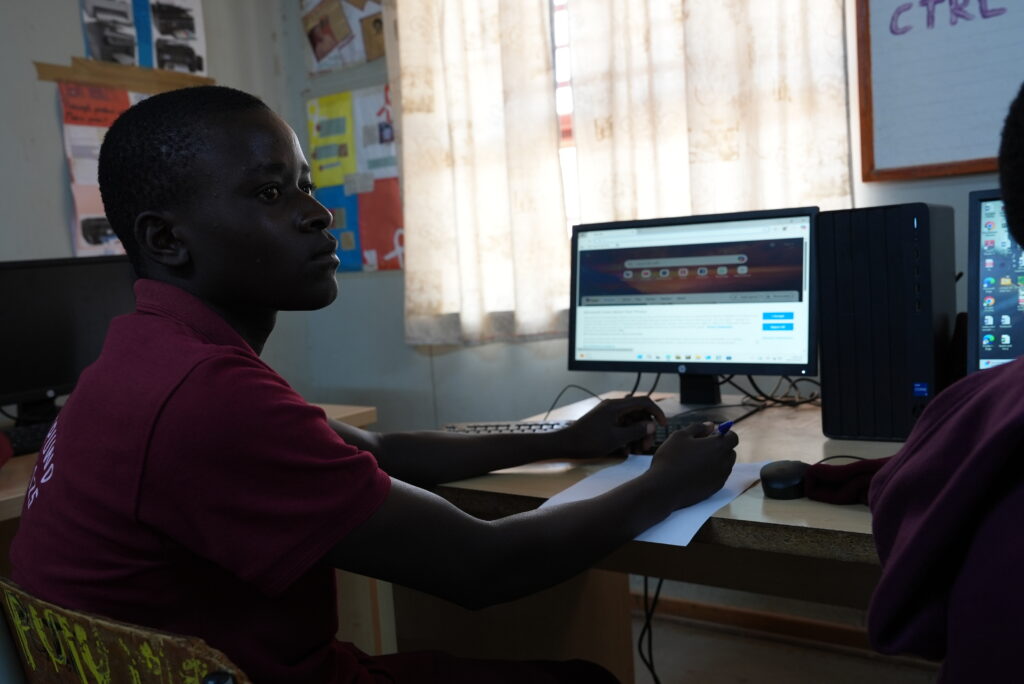
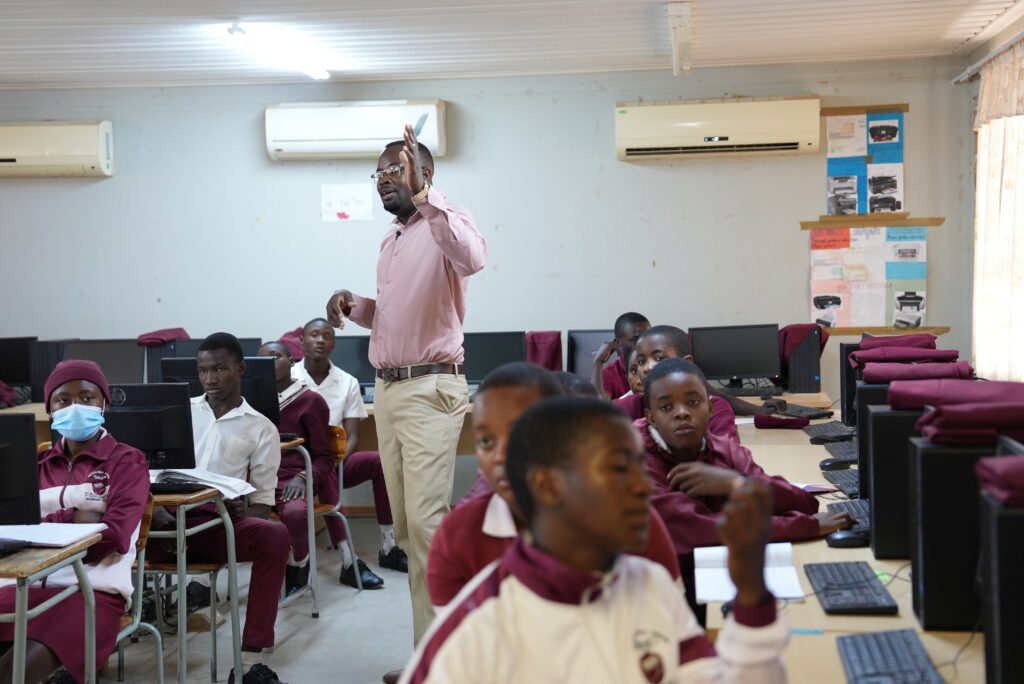
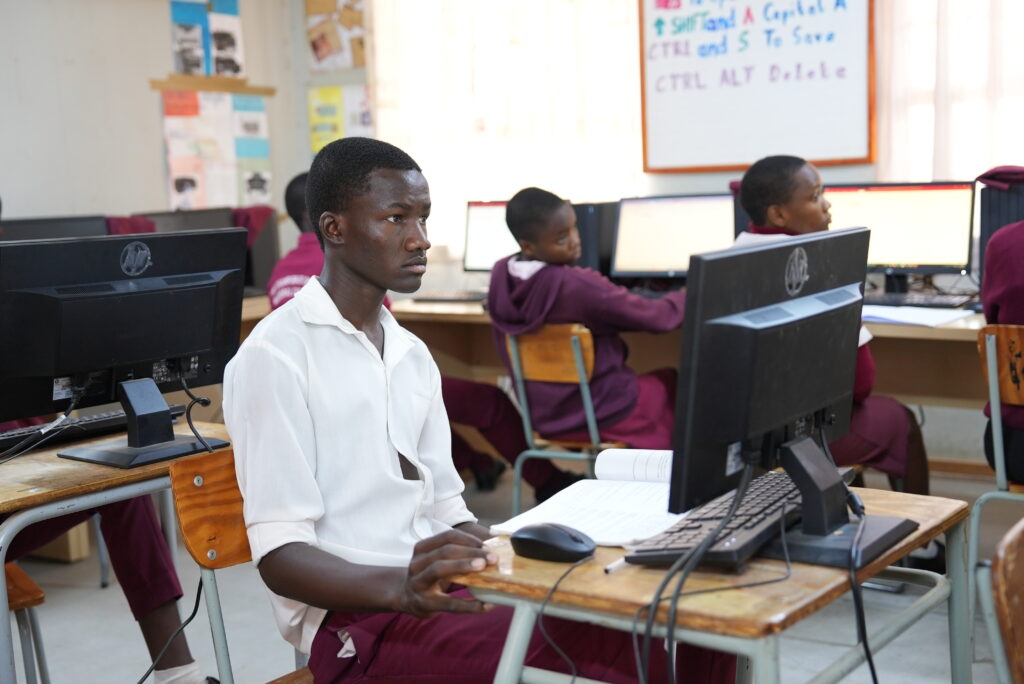
Real-time monitoring is helping Namibia track and improve school connectivity, ensuring that learners in remote communities have reliable access to digital education and the opportunities it brings.
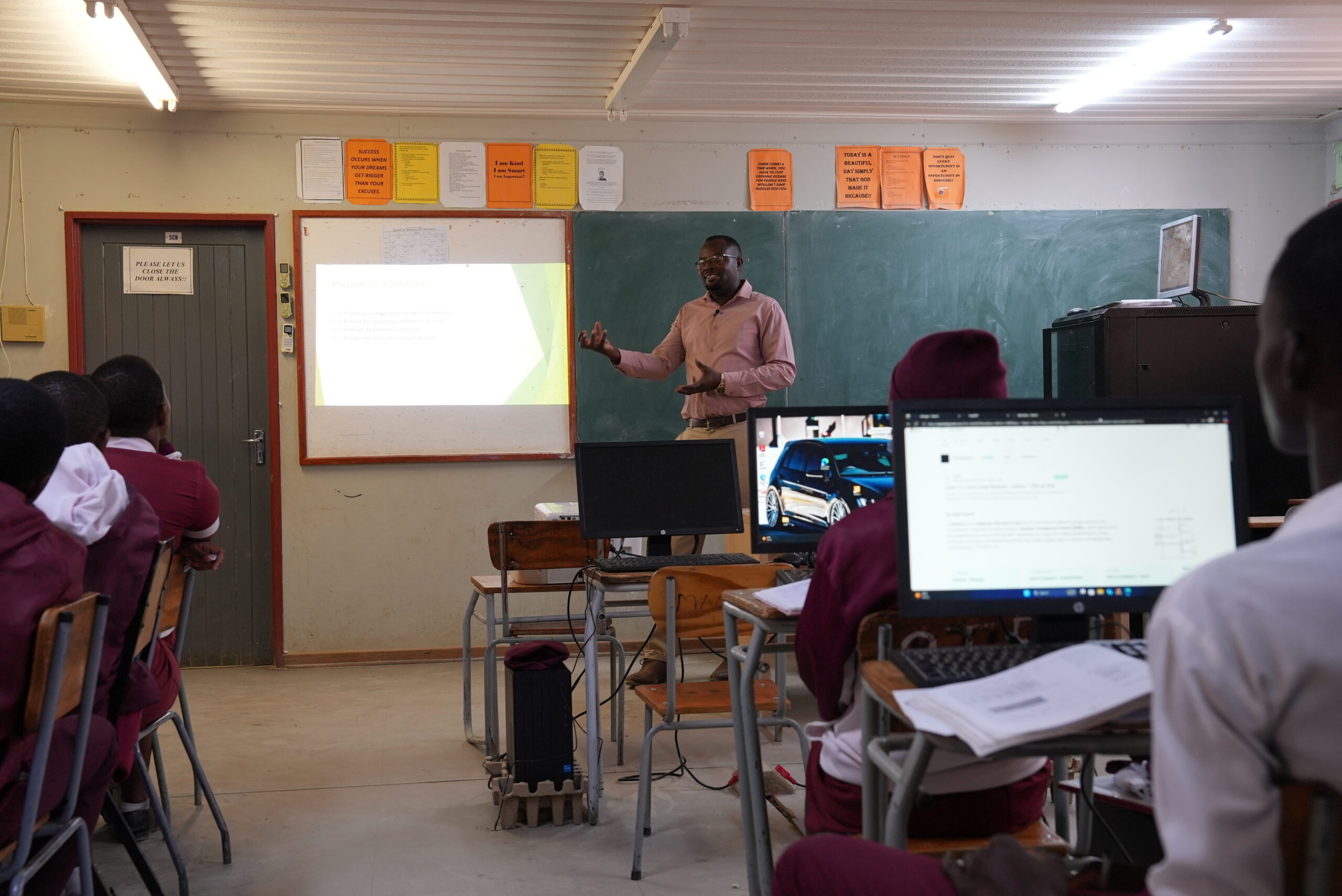
At regional level, plans are already underway to ensure more schools around the country are connected.
Sophia Frederick, Regional Director of Education, says the goal is ambitious but necessary. “Our plan is that by five years’ time, we should have at least 80 per cent of our schools connected to reliable internet,” she says. “Our kids should be able to integrate ICT into their learning and be prepared for the future. Some want to become engineers, some want to become computer technicians.”
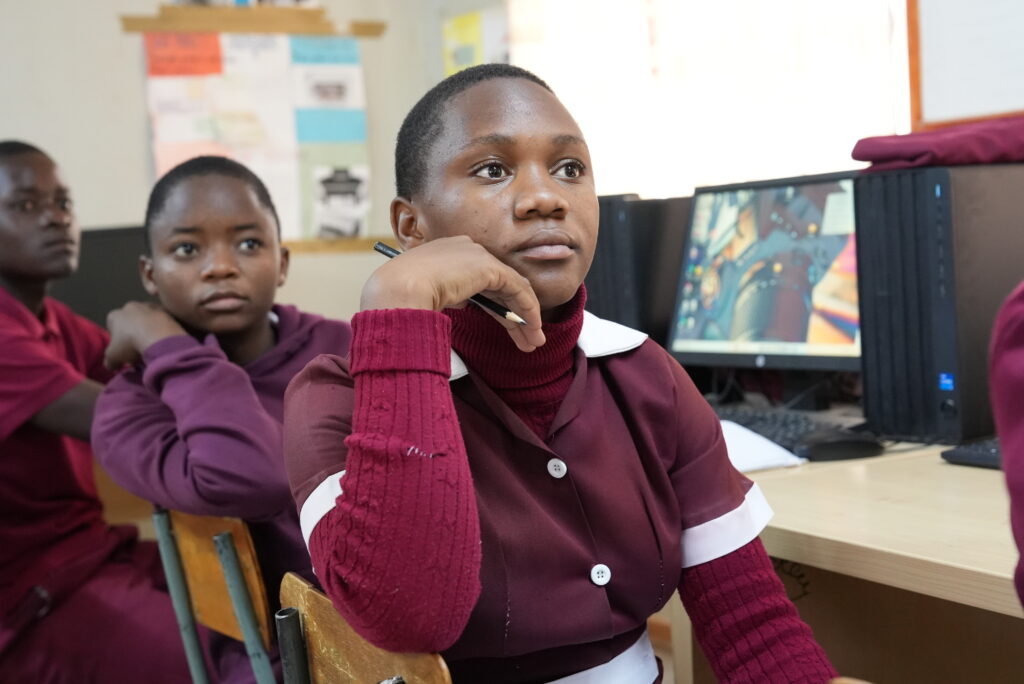
For 16-year-old Grade 9 learner Tjindunda Keuvazere, access to computers has already changed how she experiences school. “It’s very exciting, because we get to learn new things every day,” she says. “It makes learning more fun. We are not only using textbooks now, but we can also use computers. We learn things like e-commerce and e-learning.”
For Ms. Kashima, every green dot on her screen represents more than a connected school – it represents a community of learners like Tjindunda, whose potential can grow when reliable internet reaches their classroom. Namibia’s experience forms part of Giga’s broader work on real-time monitoring, which in 2025 saw 135,000 schools across 36 countries reporting live connectivity data, helping governments and school administrators track performance and target interventions where they are most needed.
Download .pdf

