
Getting every school connected to the internet is more than a technical challenge. Multi-stakeholder collaboration is key to aligning the different pieces of a puzzle that often span multiple sectors such as education, telecom, finance, environment, local government and energy.
As part of its efforts to strengthen country capacity, the Giga Learning Hub recently brought together government representatives from different countries engaged with Giga its latest in-person training, through ITU Academy, on Multi-sector Collaborative Regulation for School Connectivity.
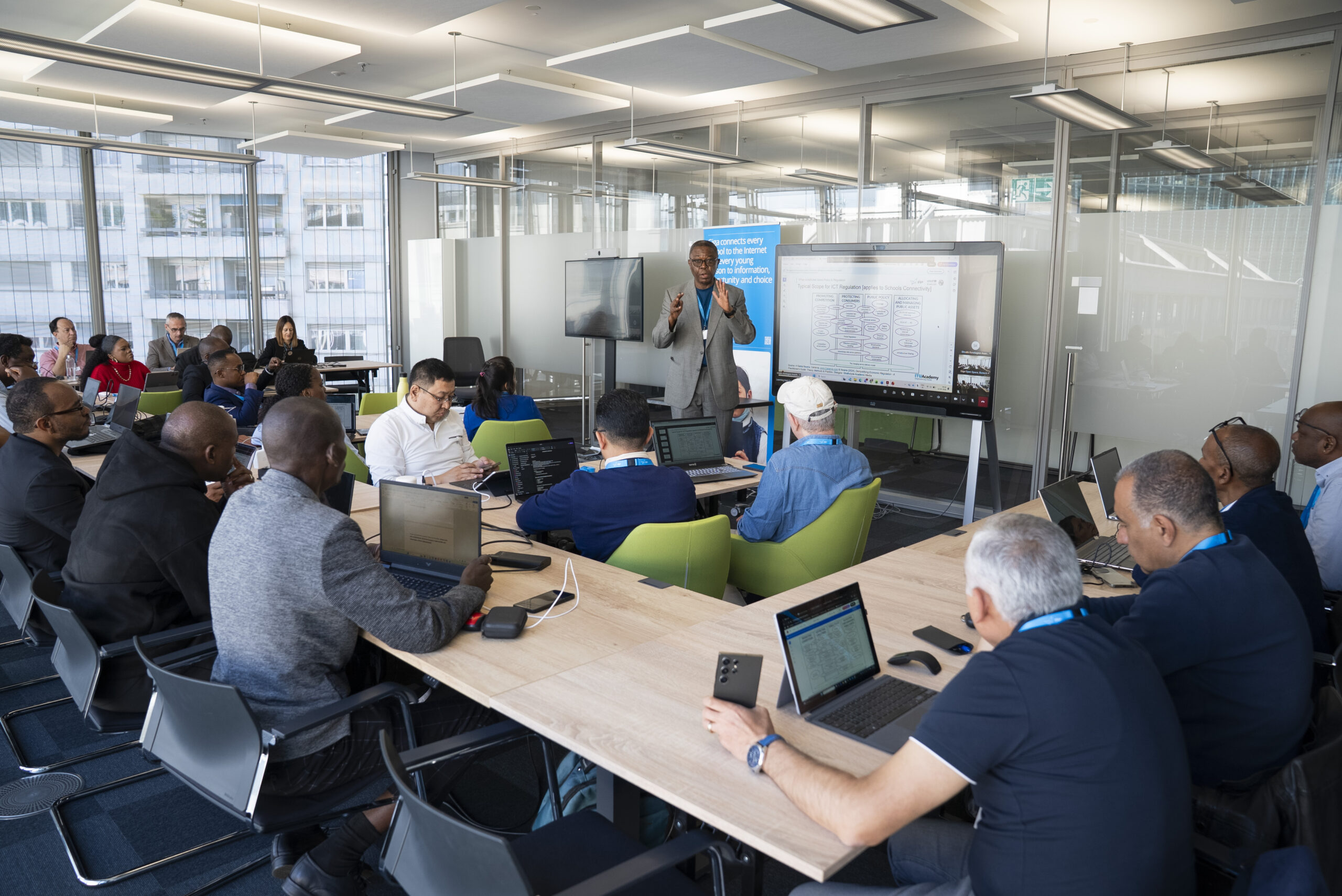
Held from 11–15 May 2026 at the Giga Connectivity Centre in Geneva, the five-day training convened 25 participants from 21 countries to explore the multi-sectoral policy and regulatory frameworks needed to advance school connectivity. It enabled participating government officials and regulators to develop their country’s practical blueprint for connecting schools, with a focus on realising positive regulatory outcomes in their national context and creating an enabling environment that attracts investment while ensuring long-term sustainability.
“Fostering effective regulation to advance school connectivity requires creative, collaborative thinking,” explained Professor H Nwana, Course Trainer, “Taking a highly interactive approach, this training equipped participants with knowledge and real-world experience on effectively regulating school connectivity within a multi-sector decision-making and policymaking context.”
The course underscored the importance of intra-and inter-governmental collaboration in advancing school connectivity. Throughout the week, participants worked across the different facets of policy and regulation – from policy design and stakeholder coordination to public-private partnership frameworks, conflict resolution and universal service obligations, – to develop their own school connectivity blueprint portfolios , grounded in the realities of their home countries.
At the heart of the Giga Learning Hub’s capacity development approach is the belief that some of the most valuable learning happens when peers exchange ideas, experiences and practical solutions — an approach that was woven throughout the course.

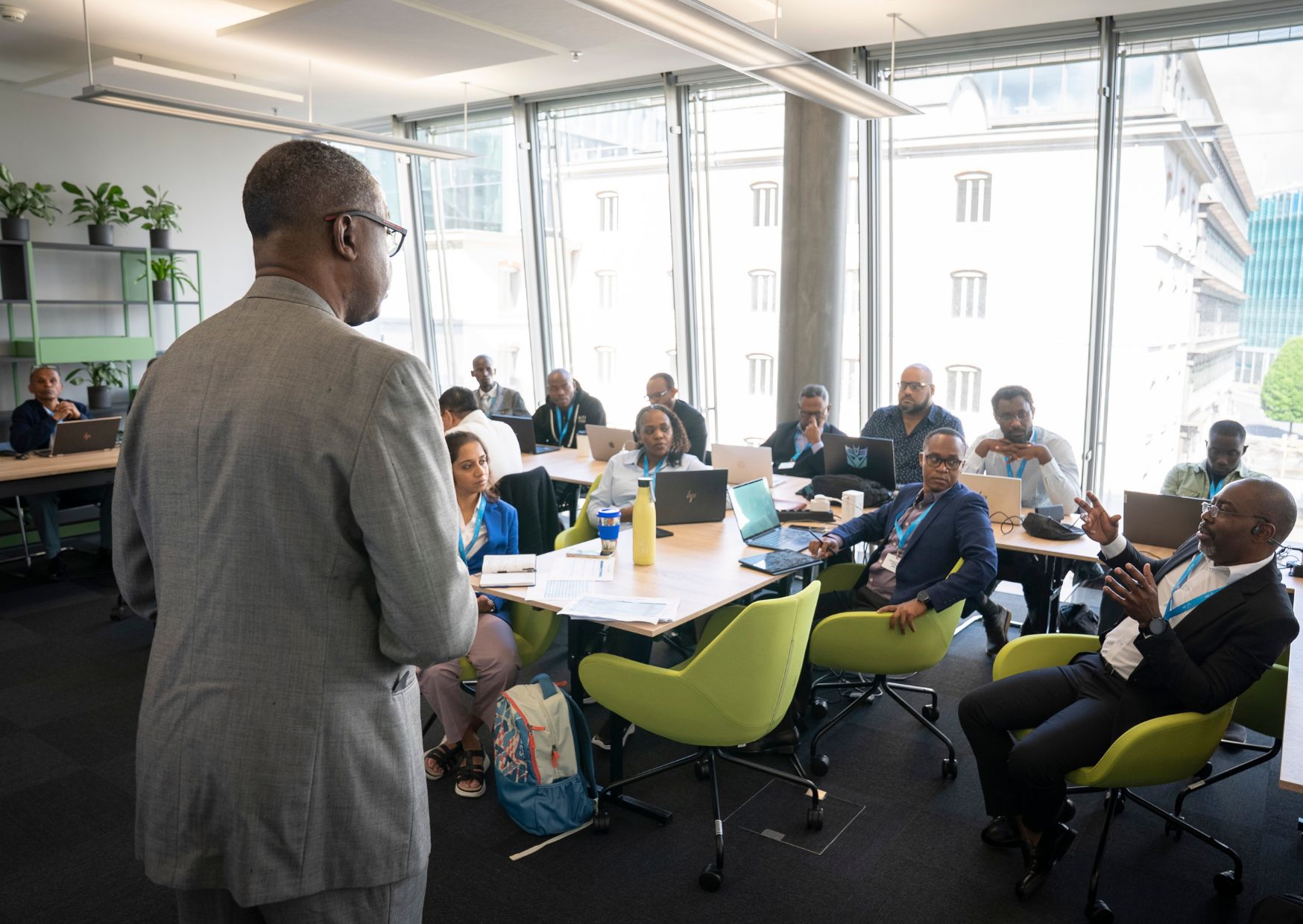
Applied group work helped delegates to “share and learn from each other’s experiences, equipping them with fresh ideas and approaches to put into action in the future,” explained Professor Nwana.
As Omar Macedo of Brazil’s Anatel, observed: “It’s great for us to hear the challenges other countries face and reference them with our challenges to find some new solutions that we haven’t considered before.”
For Ekolo Losso Mosima, Specialist Geographer at ICASA (Independent Communications Authority of South Africa), it was this methodology that made the course stand out: “Participants are able to relate with real world experiences from other countries. We do not only ask questions, but we are also pushed and guided to extend our reasoning to best practices in answering our distinct questions and challenges. In a nutshell, it’s a non-conventional but very effective approach with effective participation from all the attendees.”
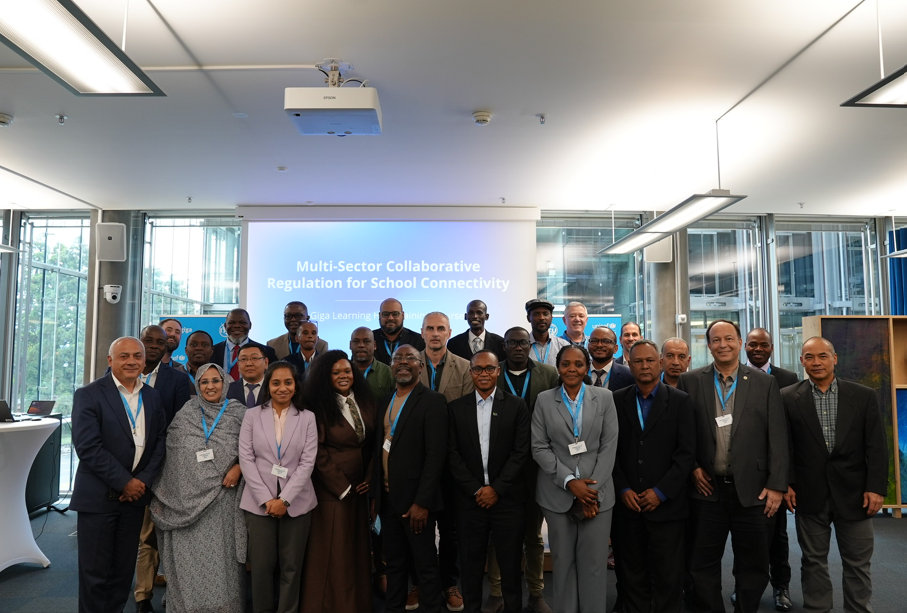
This course is part of a broader programme of Giga Learning Hub trainings planned for 2026, spanning topics from ensuring the OPEX sustainability of school connectivity to securing school connectivity.
About the Giga Learning Hub
Established in response to the growing demand from countries for support in developing local capacity and knowledge transfer to effectively deliver school connectivity, the Giga Learning Hub serves as the umbrella for Giga’s capacity development and knowledge sharing activities.
Through structured training courses (delivered through the ITU Academy), workshops, networking and other learning formats, the Giga Learning Hub equips policymakers, regulators and other stakeholders with actionable tools and insights across the full spectrum of the school connectivity journey.
Explore the full range of Giga Learning Hub courses at academy.itu.int/partners/giga-learning-hub